
Future-Proofing Poultry: Key Insights from VIV Europe 2026 and VIV Asia 2027
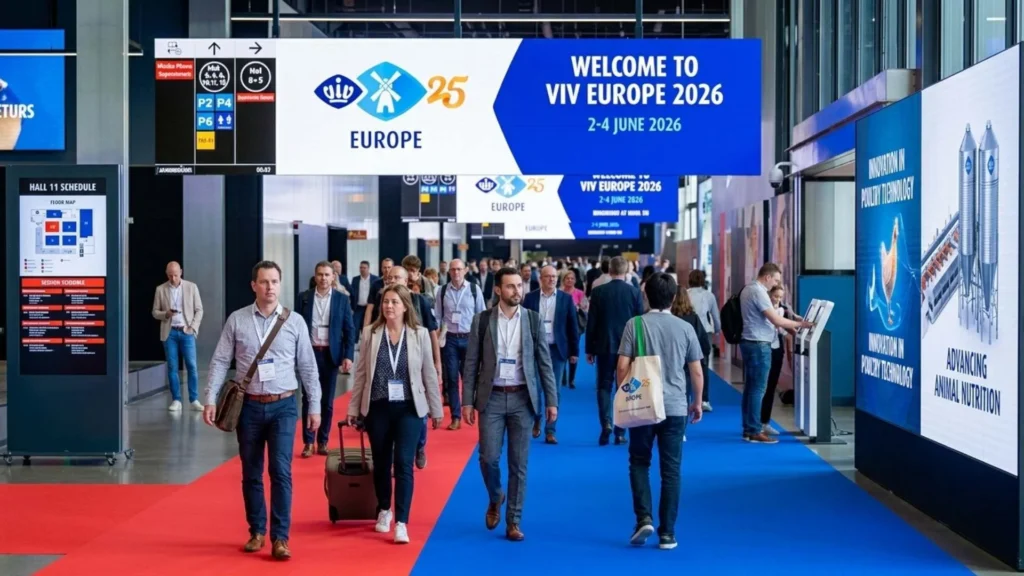
As the global demand for high-quality protein rises, the upcoming international exhibitions, VIV Europe 2026 and VIV Asia 2027, are set to become the epicenters of agricultural innovation. For any poultry professional, these events are more than just trade shows; they represent a glimpse into a future where technology and biology work in perfect harmony.
Broiler Litter Management: Smart Ventilation for Superior Performance
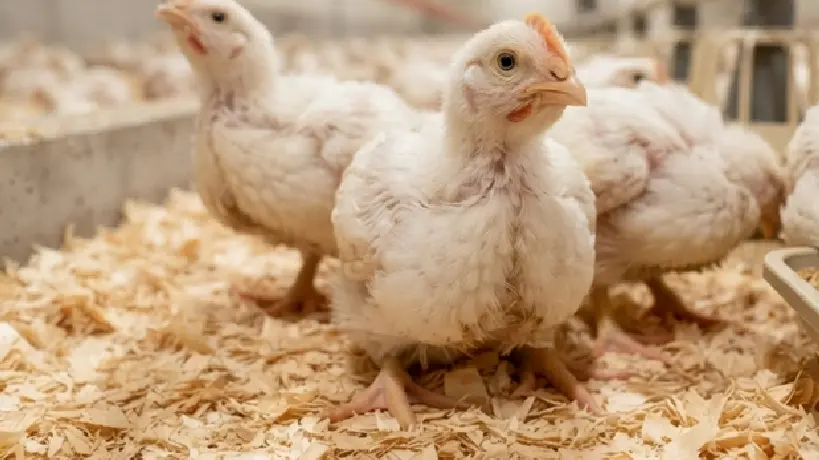
In the competitive world of large-scale broiler production, the quality of litter is not merely a housekeeping detail—it is the cornerstone of poultry health, welfare, and profitability. For producers across Europe, where animal welfare standards are among the highest in the world, managing litter goes beyond keeping it dry. It requires a sophisticated approach to controlling the entire microclimate within the poultry house.
When litter quality deteriorates, it triggers a cascade of issues. High ammonia levels, footpad dermatitis, and respiratory challenges become common, directly impacting the Feed Conversion Ratio (FCR) and increasing disease susceptibility. To achieve superior performance, the solution lies in an integrated system that connects precision ventilation directly with proactive litter management.
Smart Farming: How Modern Poultry Operations Use Data to Improve Efficiency
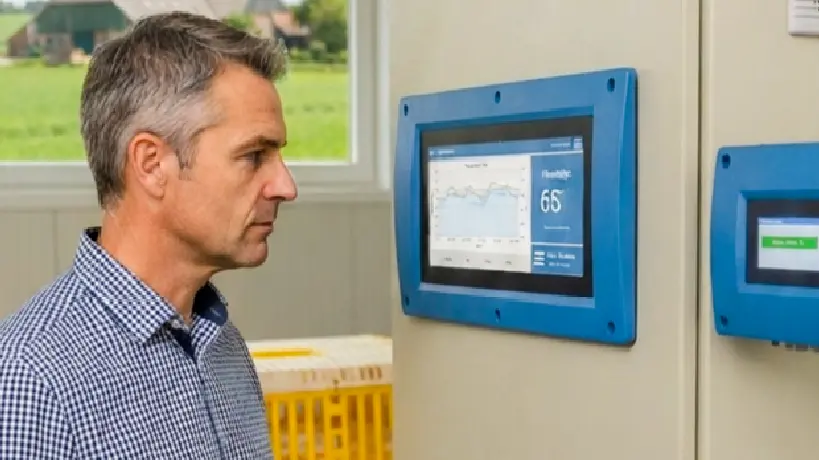
Introduction; The global poultry industry is undergoing a digital revolution. For modern farm managers and hatchery owners, the transition from manual, intuition-based decision-making to data-driven, automated precision farming is no longer a luxury; it is a necessity for survival. In an era where feed costs are high and profit margins are narrow, the ability to monitor, analyze, and optimize every aspect of the poultry house through real-time data is the new benchmark for excellence.
Brooder Management: Mastering the First 7 Days for Lifelong Poultry Performance
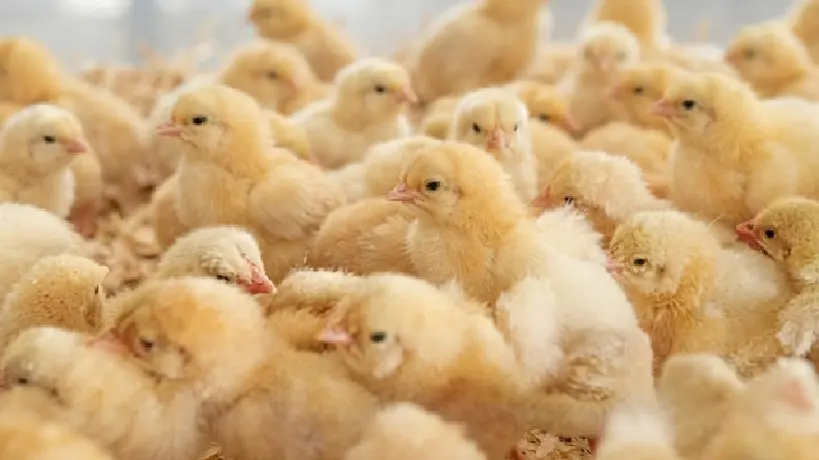
In poultry production, the first seven days of a chick’s life represent a critical, high-stakes window. When a day-old chick arrives at the farm, its physiological systems are still highly immature. It cannot regulate its own body temperature, its immune framework is basic, and its digestive tract is transitioning from yolk absorption to feed utilization. What happens during these initial 168 hours dictates the flock’s lifetime performance, uniform growth, and overall Feed Conversion Ratio (FCR). Industry data consistently shows that a single gram of body weight gained at day seven translates to an extra 6 to 7 grams at market age. Therefore, precision brooder management is not just a routine farm chore; it is a vital economic driver.
Precision Lighting for Poultry Breeders: Orchestrating Sexual Maturity and Egg Production
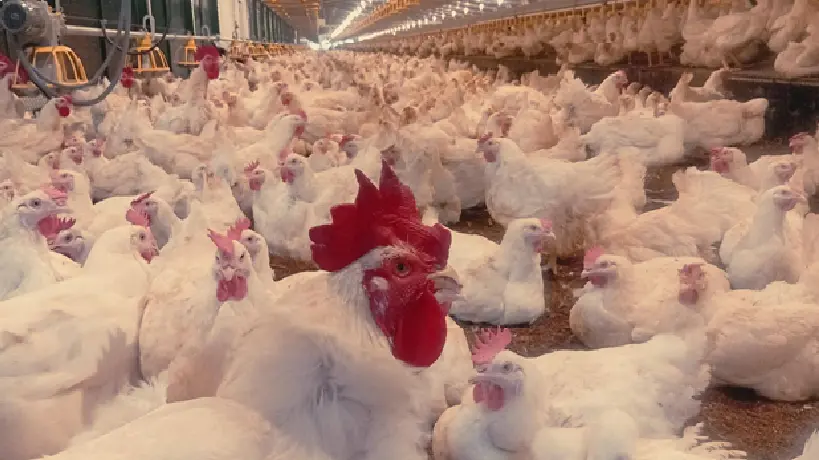
In the world of poultry breeding, light is the primary driver of the reproductive system. Unlike broilers, where the goal is rapid muscle growth, lighting for Breeders is focused on “Photo-stimulation.” This is the process of using light to signal the bird’s brain to begin hormone production for egg laying. A well-managed lighting program ensures that the flock reaches sexual maturity at the same time, leading to high peak production and long-term persistency.
Effective Litter Management in Poultry Houses: Optimizing Broiler Health, FCR, and Paw Quality
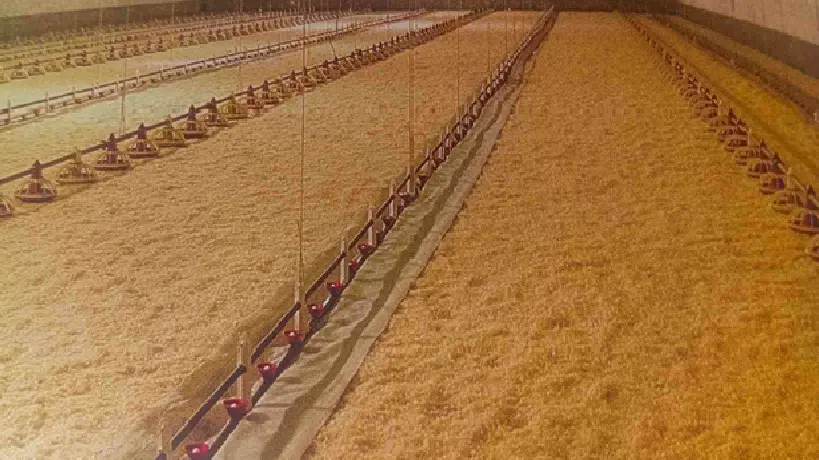
In intensive poultry production, the floor setup is just as critical as ventilation or nutrition. Poultry litter—the mixture of bedding material, excreta, spilled feed, and feathers—serves as the immediate environment for the birds throughout their life cycle. Managing this environment is a continuous balancing act. When maintained correctly, it acts as an insulating blanket, absorbs excess moisture, and promotes natural bird behavior. However, poor management can turn it into a breeding ground for pathogens, leading to severe economic losses. For modern producers, mastering the science of litter upkeep is essential to unlock the full genetic potential of the flock and optimize the Feed Conversion Ratio (FCR).
Optimized Lighting Management for Broiler Production: Maximizing Growth and Welfare
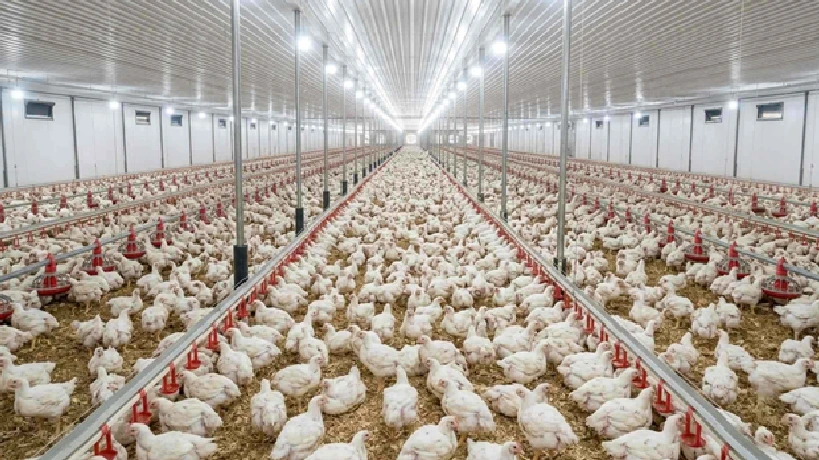
In modern broiler farming, light is often described as a “forgotten nutrient.” It governs the bird’s biological clock, influences behavior, and directly impacts physiological development. Unlike human vision, chickens perceive light intensity and spectrum much more acutely. Proper lighting management is not just about visibility; it is a precision tool used to optimize Feed Conversion Ratio (FCR), minimize stress, and ensure uniform growth across the flock.
Poultry Feed Efficiency: Modern Strategies to Minimize Waste and Maximize Profit
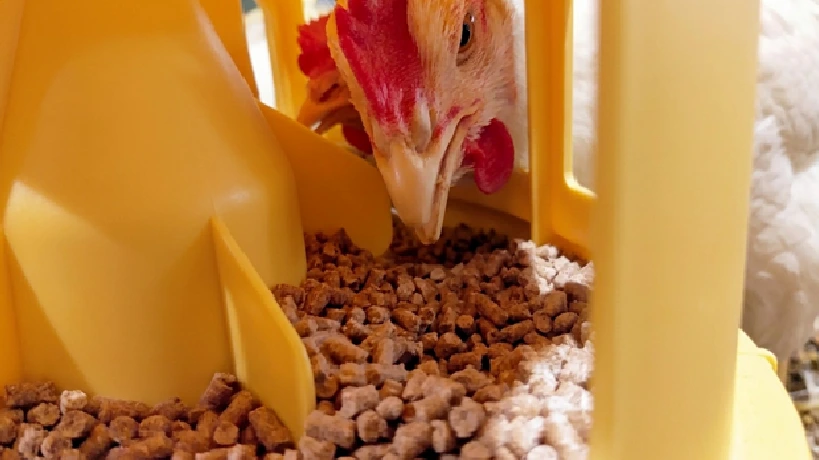
In the modern European poultry sector, feed represents the single largest operational cost—often accounting for 60% to 70% of total production expenditure. In an era of volatile commodity prices and tightening environmental regulations, even a small percentage of feed waste can have a devastating impact on a farm’s bottom line. For poultry producers, minimizing feed waste is not just about cost-cutting; it is about precision management, bird welfare, and achieving a superior Feed Conversion Ratio (FCR).
Poultry Waste Management and Composting: Turning Agricultural Byproducts into Organic Wealth
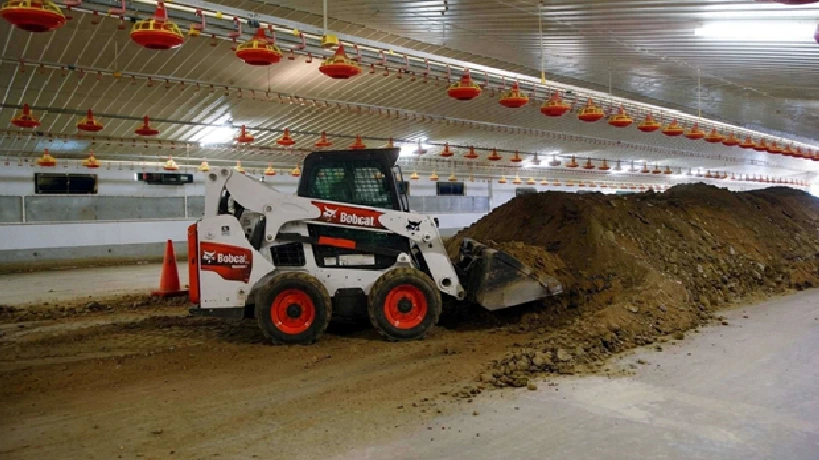
As the global demand for poultry meat and eggs continues to scale up, the industry faces an equally growing challenge: waste management. Large-scale poultry operations generate massive volumes of waste, including litter, manure, feathers, and mortalities. If left unmanaged, this waste poses severe environmental risks, such as groundwater contamination, greenhouse gas emissions, and offensive odor issues that strain community relations. However, forward-thinking producers do not view poultry byproduct as a liability. Instead, they treat it as a high-value resource. Through strategic waste management and scientific composting, poultry waste can be upcycled into premium organic fertilizers, creating a closed-loop system that cuts disposal costs and unlocks an additional revenue stream.
Smart Lighting Systems for Broilers: Science-Backed Growth and Welfare
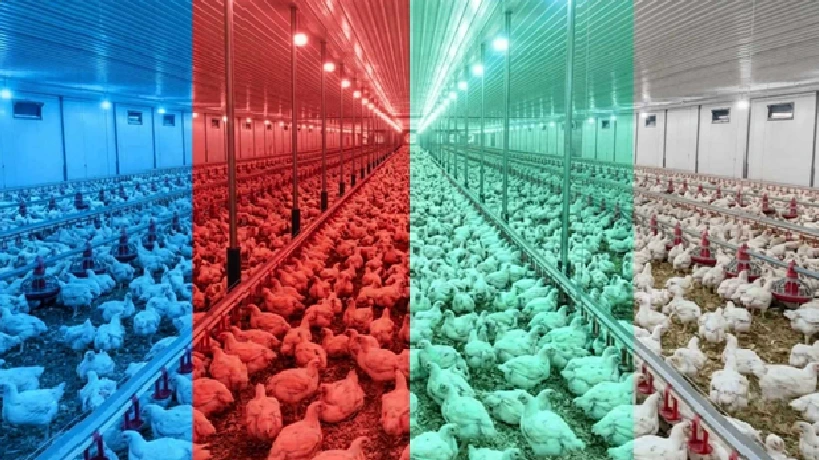
In modern poultry production, light is more than just a tool for visibility; it is a powerful biological regulator. The science of Poultry Photobiology has revealed that the intensity, spectrum, and duration of light directly affect a broiler’s circadian rhythm, physical activity, and hormonal balance. As the industry moves toward higher welfare standards and energy efficiency, smart lighting systems have become a cornerstone of profitable farm management.