
Optimizing FCR, Biosecurity, and Air Quality in Large-Scale Production
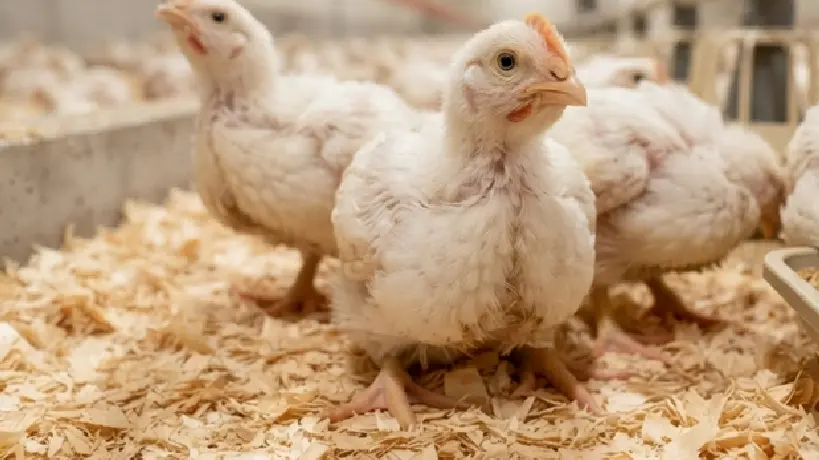
In the competitive world of large-scale broiler production, the quality of litter is not merely a housekeeping detail—it is the cornerstone of poultry health, welfare, and profitability. For producers across Europe, where animal welfare standards are among the highest in the world, managing litter goes beyond keeping it dry. It requires a sophisticated approach to controlling the entire microclimate within the poultry house.
When litter quality deteriorates, it triggers a cascade of issues. High ammonia levels, footpad dermatitis, and respiratory challenges become common, directly impacting the Feed Conversion Ratio (FCR) and increasing disease susceptibility. To achieve superior performance, the solution lies in an integrated system that connects precision ventilation directly with proactive litter management.
1. The Critical Link: Litter Quality and Broiler Health
The health of your flock starts from the ground up. Litter acts as a sponge, and when it fails to manage moisture, it quickly turns into a breeding ground for pathogens. Effective management is about maintaining a delicate balance.
If moisture levels rise, microbial activity increases, releasing ammonia that damages the birds’ respiratory tracts and reduces their ability to reach their genetic growth potential. Modern, high-performance poultry farming requires systems that monitor and adjust environmental conditions in real-time, ensuring that litter remains a safe and dry environment for your birds throughout their growth cycle.
2. Precision Ventilation: The Engine of Dry Litter
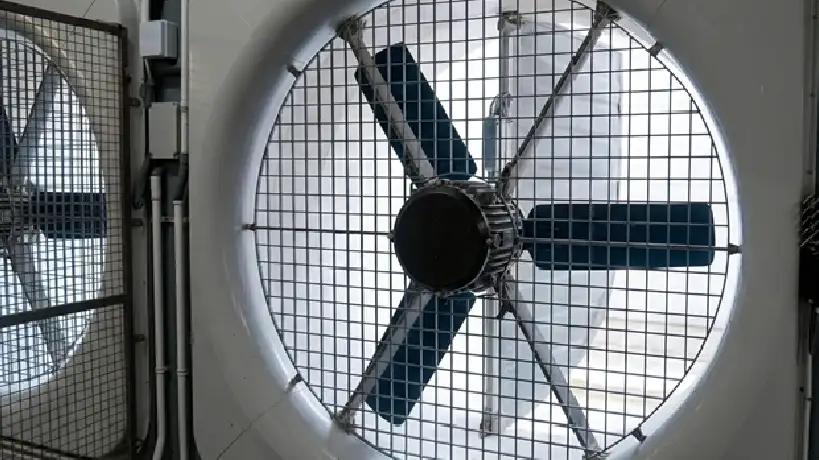
Ventilation is the most powerful tool a producer has to control litter. However, “just moving air” is not enough. Precision ventilation is about creating an environment that removes moisture efficiently without creating cold drafts that stress the birds.
By implementing advanced climate control systems, farmers can achieve uniform air distribution. This ensures that every corner of the house maintains consistent humidity levels. When the air movement is calibrated correctly, moisture is exhausted from the building before it has a chance to settle into the bedding. This not only keeps the litter dry but also significantly improves the overall air quality for both the birds and the farm staff.
3. Maximizing ROI through Animal Welfare
For investors and farm managers, the focus is always on the bottom line. Improving your poultry house technology is a strategic investment in long-term ROI. A well-managed litter environment does more than just meet regulatory requirements; it is a critical component of maximizing the birds’ growth rate and overall health.
When birds are free from the stress of poor air quality and wet litter, their energy is directed toward muscle growth rather than immune system defense. This shift in energy usage is what drives a superior FCR and reduces mortality rates. Investing in automated climate control is not an added cost; it is an insurance policy for your investment.
4. Proactive Management for the Modern European Farm
The modern European poultry sector demands efficiency, transparency, and high welfare standards. To succeed, farms must move away from reactive management and toward a proactive, sensor-driven approach.
- Real-time Monitoring: Utilize advanced sensors to track humidity and ammonia in real-time, allowing for immediate ventilation adjustments.
- Uniformity: Ensure that ventilation technology is capable of providing uniform conditions, preventing “hot spots” or damp patches within the house.
- Energy Efficiency: Modern systems are designed to maximize air exchange while minimizing electrical consumption, directly lowering operational costs.
Conclusion: A Fresh House is a Profitable House
In the final analysis, the difference between a high-performing broiler operation and one that struggles with inconsistent results often comes down to the environment. Smart ventilation is the secret to unlocking the full potential of your flock. By prioritizing litter management through integrated, precision-controlled systems, you create a healthier, more sustainable, and ultimately more profitable operation.
As the industry continues to evolve, the farms that leverage technology to perfect their microclimate will be the ones that thrive. Protect your birds, optimize your production, and secure your future by investing in the smart, precision-based ventilation strategies that modern broiler production demands.