
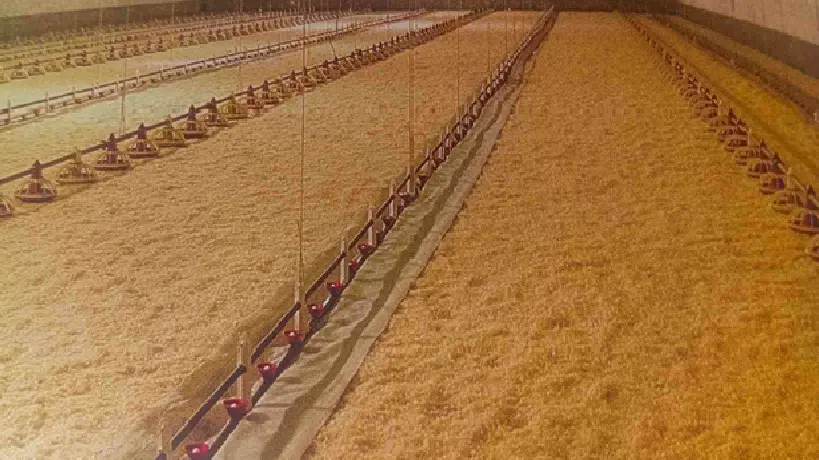
Introduction: The Foundation of Poultry Housing
In intensive poultry production, the floor setup is just as critical as ventilation or nutrition. Poultry litter—the mixture of bedding material, excreta, spilled feed, and feathers—serves as the immediate environment for the birds throughout their life cycle. Managing this environment is a continuous balancing act. When maintained correctly, it acts as an insulating blanket, absorbs excess moisture, and promotes natural bird behavior. However, poor management can turn it into a breeding ground for pathogens, leading to severe economic losses. For modern producers, mastering the science of litter upkeep is essential to unlock the full genetic potential of the flock and optimize the Feed Conversion Ratio (FCR).
1. Choosing the Right Bedding Material
The foundation of great litter management starts with the choice of bedding material. The primary role of bedding is to absorb moisture and release it back into the atmosphere through proper ventilation.
- Wood Shavings: Highly preferred globally due to excellent absorbency and low caking tendencies. Softwood shavings are ideal, but they must be free from chemical preservatives or excessive dust.
- Rice Hulls: A popular, cost-effective option in agricultural regions. Rice hulls drain well but have slightly lower moisture-holding capacity than wood shavings.
- Chopped Straw: Often used when other materials are scarce. Straw must be chopped short (around 1–2 inches) to prevent it from packing down into a solid, unabsorbent mat.
Regardless of the material chosen, the initial depth should be consistent—typically between 2 to 4 inches (5 to 10 cm). Insufficient depth leads to rapid moisture saturation and exposes birds to the cold concrete or soil floor beneath.
2. The Moisture Matrix: Keeping It in the “Sweet Spot”
Moisture control is the ultimate challenge in poultry housing. Ideally, litter moisture should be maintained between 20% and 25%.
- How to Test (The Squeeze Test): Grab a handful of litter and squeeze it. If it crumbles loosely when you open your hand, the moisture level is perfect. If it forms a sticky ball that stays together, it is too wet (above 30%). If it generates dust and fails to hold any shape momentarily, it is too dry (below 20%).
- The Danger of Wet Litter: Excess moisture triggers anaerobic bacterial breakdown, which releases heavy amounts of ammonia gas (NH3). High ammonia levels irritate the birds’ respiratory tracts and eyes, making them highly susceptible to viral infections.
- The Danger of Dry Litter: While wet litter is a frequent nightmare, overly dry conditions cause excessive dust. This dust damages the respiratory defense mechanisms of the birds and complicates biosecurity protocols.
3. Managing the Causes of Litter Saturation
Wet bedding rarely happens without an underlying cause. To keep the floor dry, farm managers must monitor three primary contributors:
- Drinker System Malfunctions: High-pressure lines or worn-out nipples can cause constant dripping. Water lines must be adjusted weekly to match the birds’ eye level, ensuring they drink cleanly without spilling.
- Dietary Imbalances: High levels of sodium, potassium, or crude protein in the feed can cause birds to drink excessively, leading to wet, watery droppings.
- Ventilation Shortfalls: If the relative humidity inside the house rises above 70%, the air loses its capacity to dry the floor. Minimum ventilation systems must run consistently to pull moisture out of the house, even during cold winter nights.
4. Preventing Footpad Dermatitis (FPD) and Breast Blisters
The physical quality of the floor directly dictates the carcass grade at the processing plant. When birds spend weeks resting on wet, sticky, or caked litter, the chemical compounds and moisture corrode their delicate skin.
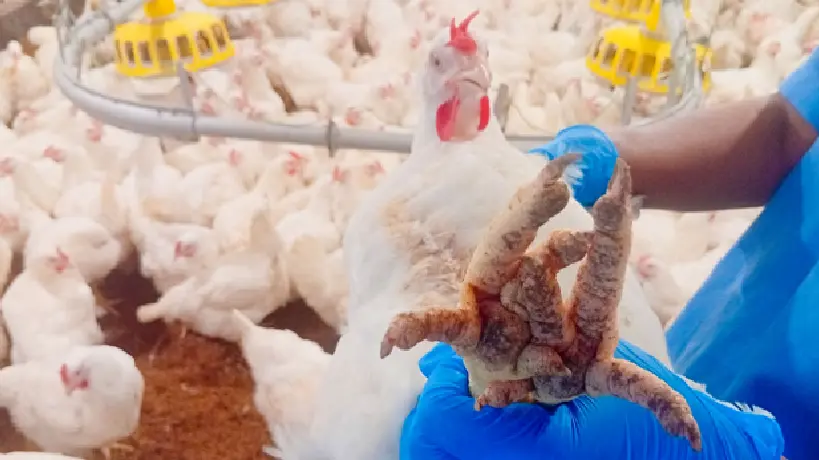
- Footpad Dermatitis (FPD): Also known as paw burns, this painful condition causes black erosions on the bottom of the foot. It severely compromises bird welfare, reduces mobility, and hurts profitability since high-quality chicken paws are a premium export commodity.
- Breast Blisters and Hock Burns: As birds grow heavier, they spend more time sitting. Wet conditions because chemical burns on the breast meat and hocks, leading to severe downgrading during processing. Keeping the surface dry and friable is the only effective preventative measure.
5. Conditioning and Remediation Strategies
During a production cycle, keeping the litter loose and flowing (friable) requires proactive intervention.
- De-caking: If solid crusts (cake) form under water or feed lines, they must be physically removed from the house promptly. Leaving cake inside prevents ventilation from drying the sub-layers.
- Litter Amending Agents: Many producers utilize acidifiers or chemical amendments (such as sodium bisulfate or aluminum sulfate) applied to the floor before chick placement. These treatments lower the pH, binding ammonia and suppressing bacterial proliferation during the critical early brooding weeks.
- Tilling and Turning: In some management systems, mechanical litters’ stirrers are used to introduce oxygen and break up compacted layers. However, this must be done carefully to avoid releasing sudden bursts of trapped ammonia into the house atmosphere.
Conclusion: A Clean Floor Drives High Performance
Litter management is not a passive task; it is an active indicator of overall house health. A dry, comfortable floor ensures that broilers expend their energy on growth and feed conversion rather than fighting off respiratory stress or skin infections. By balancing ventilation settings, maintaining drinker lines, and monitoring moisture content daily, producers protect both flock welfare and their bottom line.