
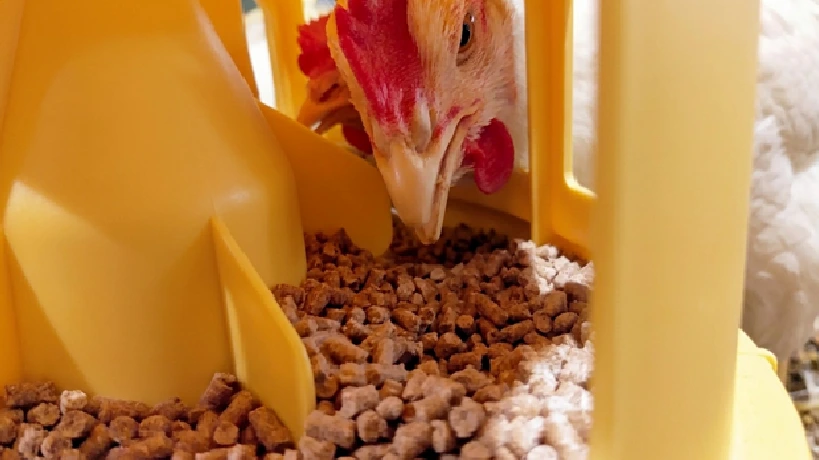
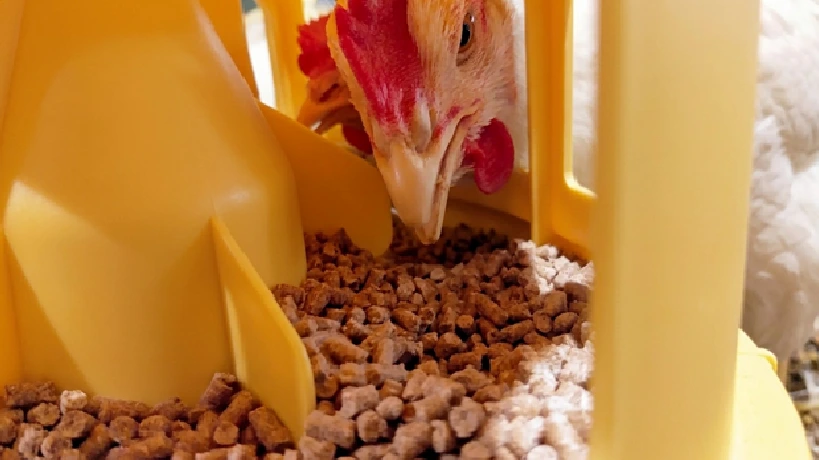
In the modern European poultry sector, feed represents the single largest operational cost—often accounting for 60% to 70% of total production expenditure. In an era of volatile commodity prices and tightening environmental regulations, even a small percentage of feed waste can have a devastating impact on a farm’s bottom line. For poultry producers, minimizing feed waste is not just about cost-cutting; it is about precision management, bird welfare, and achieving a superior Feed Conversion Ratio (FCR).
1. Precision Feeding: Matching Nutrition to Demand
The foundation of waste reduction is precision. Modern poultry management has moved far beyond “ad-lib” feeding without monitoring.
- Phase Feeding: Birds have different nutritional requirements at each stage of their life cycle. Implementing automated phase feeding ensures that birds receive precisely what they need, exactly when they need it, preventing the over-provision of expensive nutrients that the bird cannot utilize.
- Sensor-Driven Distribution: Automated feed lines equipped with sensors can detect the exact levels in feeders. This prevents the “over-filling” of pans, which is one of the primary causes of feed wastage on the floor, where it becomes contaminated and unusable.
2. Optimizing Feed Physical Quality
Feed wastage often occurs long before it reaches the bird’s beak, through the degradation of physical quality during transport or distribution.
- Pellet Integrity: Poor-quality pellets break down into “fines” (dust). Fines are notoriously difficult for birds to consume efficiently, leading to significant wastage as the dust accumulates in feeders or settles into the litter. Investing in high-quality pelleting technology and minimizing mechanical handling ensures that feed remains in a consumable, pelletized form.
- Correct Particle Size: Scientific research confirms that proper particle size improves gizzard function and digestion. Feed that is too coarse or too fine leads to selective feeding behaviors, where birds pick out preferred particles, scattering the rest and increasing waste.
3. Advanced Storage and Biosecurity
Feed quality is highly perishable. Poor storage conditions can lead to mold growth, nutrient loss, and pest infestation, rendering entire batches of feed useless.
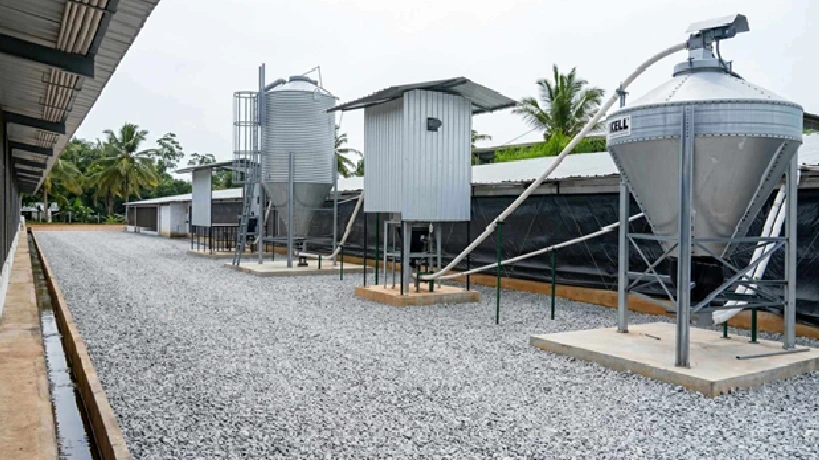
- Sealed Silo Management: Modern, airtight silo systems are essential for protecting feed from moisture and temperature fluctuations. Moisture ingress causes clumping and mold, which not only wastes feed but also poses a severe biosecurity risk to the flock.
- Pest Exclusion: Rodents and wild birds are significant vectors for disease and massive consumers of spilled feed. Ensuring that silos are properly sealed and that feed lines are enclosed protects your investment and ensures that every gram of feed is consumed only by your birds.
4. Environment and Gut Health
If a bird’s gut is not functioning at peak efficiency, it cannot digest feed effectively. Waste is not just what is left in the feeder—it is also the nutrients that pass through the bird undigested.
- Climate Control: Birds under heat stress reduce their feed intake and suffer from impaired digestion. By maintaining an optimal microclimate, you ensure that the birds’ metabolism is stable, leading to better nutrient absorption.
- Water Quality: Digestion is a water-dependent process. Impure or improperly temperature-controlled water can discourage drinking, which in turn causes birds to reduce their feed intake. Clean, sanitized water lines are a hidden pillar of feed efficiency.
5. Data-Driven Management: The Digital Farm
To minimize waste, you must be able to measure it. The modern European producer relies on real-time data to make informed decisions.
- Feed-to-Gain Monitoring: Integrating digital weighing systems for both feed intake and bird growth allows for precise calculation of the FCR on a daily basis. Any deviation from the standard is an immediate red flag, allowing managers to troubleshoot issues like malfunctioning equipment or sub-clinical health challenges before they result in significant waste.
- Automated Audit Trails: Digital record-keeping helps track feed delivery, consumption rates, and wastage patterns. Identifying trends—such as increased spillage at specific times of the day—allows for targeted maintenance of equipment.
Conclusion: Sustainability as a Competitive Advantage
Minimizing feed waste is the most direct path to improving sustainability and profitability in poultry farming. By shifting towards precision feeding, investing in superior storage, and utilizing digital analytics, producers can ensure that their operations meet the high welfare and efficiency standards demanded by the European market.
Feed is the lifeblood of your production. When managed with precision and technology, it becomes a tool for performance; when managed through traditional, loose practices, it becomes a financial burden. In the modern era, the most successful farms are those that treat every kilogram of feed as a precious asset. By reducing waste, you are not just saving costs—you are fueling the future of efficient, sustainable, and responsible poultry production.