
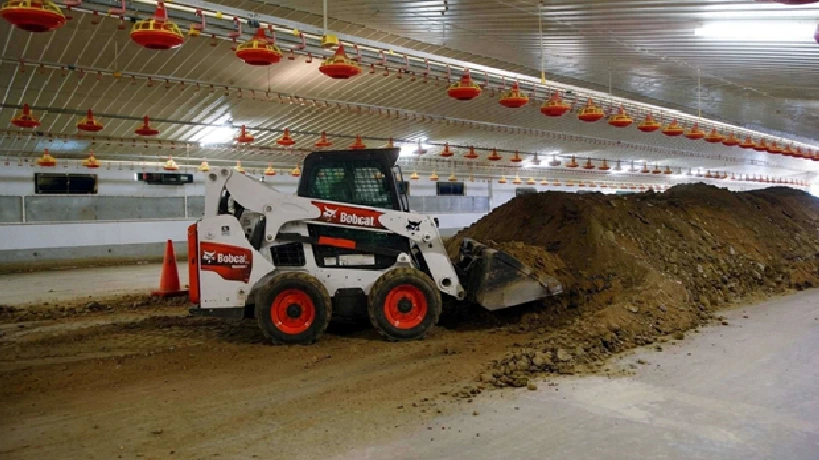
Introduction: The Sustainability Challenge in Modern Poultry Farming
As the global demand for poultry meat and eggs continues to scale up, the industry faces an equally growing challenge: waste management. Large-scale poultry operations generate massive volumes of waste, including litter, manure, feathers, and mortalities. If left unmanaged, this waste poses severe environmental risks, such as groundwater contamination, greenhouse gas emissions, and offensive odor issues that strain community relations. However, forward-thinking producers do not view poultry byproduct as a liability. Instead, they treat it as a high-value resource. Through strategic waste management and scientific composting, poultry waste can be upcycled into premium organic fertilizers, creating a closed-loop system that cuts disposal costs and unlocks an additional revenue stream.
1. Environmental and Economic Advantages of Composting
Raw poultry manure is packed with essential crop nutrients, but applying it directly to agricultural fields is highly problematic. Raw manure contains high concentrations of ammonia and soluble salts that can “burn” plant roots, alongside potential pathogens like Salmonella and E. coli.
- Pathogen Elimination: Aerobic composting generates intense biological heat. When compost piles sustain high temperatures, pathogenic bacteria and weed seeds are completely neutralized.
- Nutrient Stabilization: Composting transforms volatile nitrogen into stable organic forms, preventing harmful leaching into water tables and reducing nitrogen loss through ammonia gas volatilization.
- Value Addition: Refined, weed-free poultry compost commands a premium price in organic farming and commercial landscaping markets, outperforming raw manure in every soil-health metric.
2. The Science of the Compost Pile: Balancing the Elements
Composting is an active biological process driven by beneficial aerobic bacteria and fungi. To keep these microscopic workers operating at peak efficiency, four fundamental parameters must be strictly managed:
- The Carbon-to-Nitrogen (C:N) Ratio: Poultry manure is exceptionally rich in nitrogen. To prevent severe ammonia odors and nitrogen loss, it must be blended with carbon-rich materials (bulking agents) like wood shavings, straw, or sawdust. The ideal initial C:N ratio for a healthy compost pile ranges between 25:1 and 30:1.
- Moisture Management: Microbes require a thin film of water around organic particles to survive and migrate. The moisture level should be maintained at 50% to 60%. If the pile is too dry, decomposition stops; if it is saturated (above 65%), oxygen is squeezed out, triggering foul-smelling anaerobic decay.
- Oxygen and Aeration: Aerobic microbes consume oxygen rapidly. Regular turning of the compost windrows or utilizing forced-air ventilation systems ensures a continuous supply of oxygen, preventing the pile from turning sour.
3. Monitoring Temperature and the Decomposition Phases
A well-constructed poultry compost pile moves through distinct thermal phases that indicate microbial activity and safety levels:
- The Mesophilic Phase: In the first few days, native microbes break down easily degradable sugars and amino acids, rapidly raising the core temperature.
- The Thermophilic Phase (The Critical Zone): Temperatures climb to 55°C to 65°C (131°F to 149°F). Maintaining these temperatures for at least 3 to 5 consecutive days is a strict biosecurity requirement to ensure the destruction of pathogens and weed seeds. Temperatures should not be allowed to exceed 70°C, as excessive heat kills the beneficial composting microbes themselves.
- The Curing Phase: As the volatile organic matter is entirely consumed, the pile naturally cools down over several weeks. During curing, complex fungi mature the compost, turning it into a rich, dark brown, earthy-smelling humus.
4. Managing On-Farm Mortalities Safely
Routine daily mortality is an inevitable aspect of poultry production. Safe, bio secure disposal is vital to prevent disease outbreaks across the farm. On-farm mortality composting has emerged as the most bio secure and environmentally friendly method available.
- The Bin System: Mortality composting typically utilizes a series of structured, roofed concrete bins to shield the process from rainwater and scavengers.
- Layering Technique: The process relies on a strict layering formula. A thick bottom layer (12 inches) of dry, carbon-rich bulking agent absorbs fluids. Mortalities are placed in a single layer, spaced away from the edges, and immediately covered with a dense layer of active poultry litter or carbon material.
- Two-Stage Turning: Once the soft tissue has completely decomposed in the primary bin, the material is moved to a secondary bin. This movement introduces a fresh burst of oxygen, restarting the heating cycle to break down remaining bone structures into a completely safe, uniform end-product.
5. Odor and Vector Control Protocols
A successful waste processing site must maintain strict biosecurity to avoid attracting pests or creating environmental nuisances.
- The Bio-Cap Filter: Covering fresh compost piles or mortality bins with a 6-to-12-inch “cap” of finished compost or dry straw acts as a natural bio-filter. This cap traps volatile odor molecules and prevents flies and birds from accessing the material.
- Site Selection and Drainage: Compost yards must be situated away from live poultry housing to minimize biosecurity cross-contamination. The site should feature a concrete slope or hardstand to collect pad runoff, preventing standing pools of wastewater.
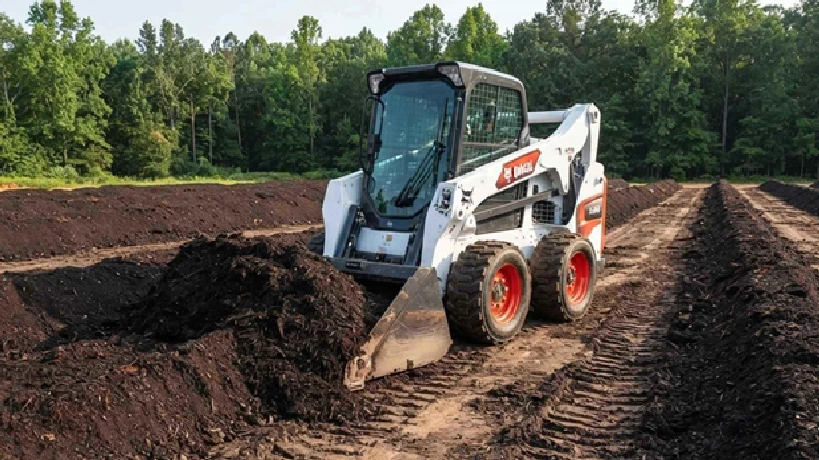
Conclusion: Embracing Circular Bio-Economy
Mastering poultry waste management changes how a farm interfaces with the environment and the local economy. Composting bridges the gap between livestock production and sustainable crop cultivation. By converting volatile manure and organic byproducts into stable, pathogen-free organic humus, poultry operations significantly reduce their carbon footprint, eliminate environmental liabilities, and establish a highly resilient, profitable agricultural model.