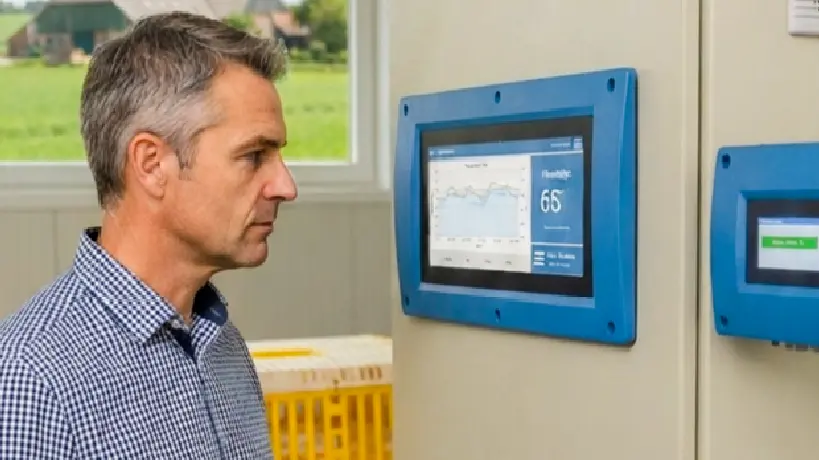
Introduction; The global poultry industry is undergoing a digital revolution. For modern farm managers and hatchery owners, the transition from manual, intuition-based decision-making to data-driven, automated precision farming is no longer a luxury; it is a necessity for survival. In an era where feed costs are high and profit margins are narrow, the ability to monitor, analyze, and optimize every aspect of the poultry house through real-time data is the new benchmark for excellence
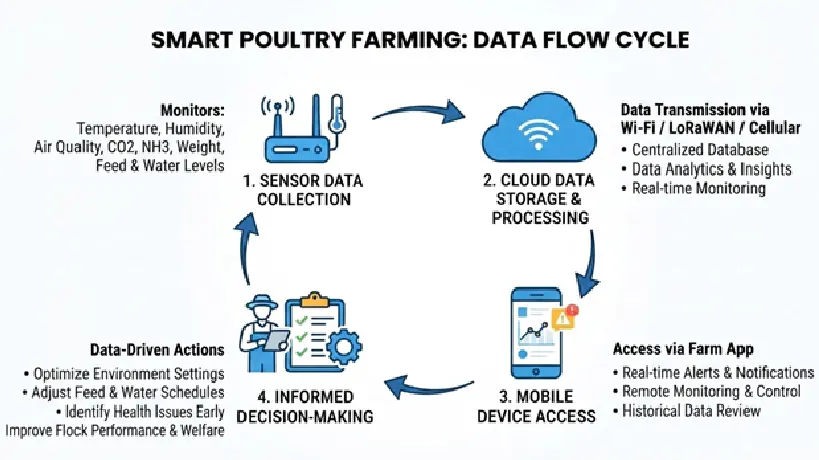
- The Shift to Digital Precision: Traditionally, farm management relied on daily visual inspections. While still essential, modern operations now integrate advanced sensing technology to bridge the gap between human observation and physiological reality. By tracking environmental parameters—such as ammonia levels, CO2, humidity, and temperature—with high-frequency sensors, operators can detect irregularities before they impact the health or growth of the flock.
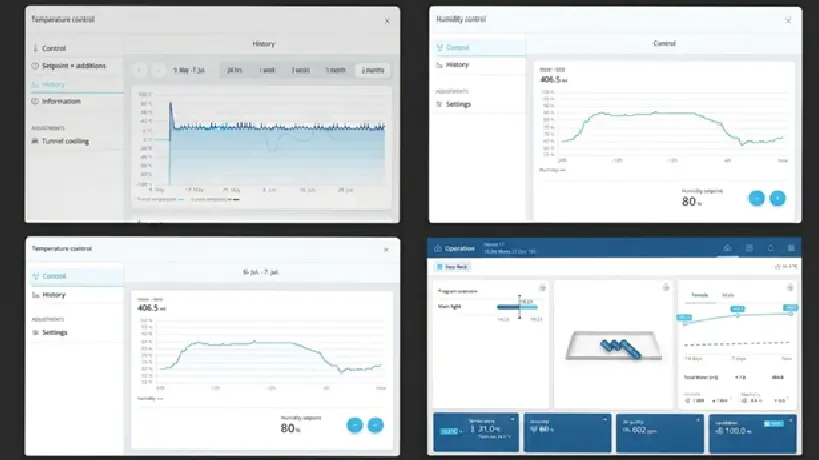
- Optimizing Environmental Control Systems: The secret to superior flock performance is rooted in climate stability. Sophisticated ventilation control systems now use real-time data to adjust airflow and heating automatically, maintaining the bird’s thermal comfort zone regardless of external weather shifts. This prevents metabolic stress, which is the leading cause of poor feed conversion and stunted growth in broilers.
- Feeding and Water Monitoring: Precision feeding programs are now automated based on daily consumption data. By linking silo sensors to cloud-based monitoring software, managers can pinpoint exact intake fluctuations. If a flock suddenly reduces its intake, the system flags the anomaly, allowing for immediate investigation into potential disease outbreaks or water supply issues, thereby preventing widespread production loss.
- Predictive Analytics for Preventive Maintenance: Equipment failure in a poultry house can be catastrophic. Modern digital platforms now offer predictive maintenance features, tracking the health of motors, fans, and pumps. By alerting technicians before a mechanical failure occurs, farms avoid the costly downtime and environmental risks associated with sudden system collapses.
- Data-Driven Decision Making: The integration of farm management software allows for the visualization of performance trends over multiple cycles. Owners can compare different housing environments, feeding strategies, and biosecurity measures. This longitudinal data helps in identifying “best practices” unique to their specific facility, leading to continuous improvement in growth rates and uniformity.
- The Sustainability Edge: Data is also a tool for sustainability. Optimizing fuel for heating and electricity for lighting and ventilation directly reduces the carbon footprint of the operation. By ensuring that energy is used only when and where it is needed, producers achieve higher output per unit of input, aligning profitability with environmental responsibility.
- Bridging the Human-Machine Gap: Despite the reliance on high-tech solutions, the human element remains vital. The data serves as a diagnostic tool, providing managers with the insights needed to make informed interventions. The goal of “Smart Farming” is not to replace human oversight, but to empower it with the precision of real-time diagnostics.
Smart farming represents the future of poultry production. By embracing digital integration, producers move from reactive management to proactive stewardship. The data collected today becomes the strategy for higher profits tomorrow. Investing in technology to achieve optimal operational efficiency is the most reliable way to secure a competitive advantage in the global poultry market.
Key Takeaways: Why Data Matters in Poultry
- Precision Management: Real-time data collection bridges the gap between manual intuition and environmental reality, allowing for precise control over house climate, ammonia levels, and bird health.
- Proactive Disease Prevention: Automated monitoring and predictive analytics enable farm managers to identify irregularities in feed intake and system performance early, preventing disease outbreaks before they escalate.
- Operational Efficiency & Sustainability: Data-driven decisions optimize fuel and energy consumption for heating and ventilation, reducing the operation’s carbon footprint while maximizing output per unit of input.
- Continuous Improvement: By comparing longitudinal data across different housing environments and strategies, producers can identify and replicate “best practices” to ensure long-term flock performance and profitability.