
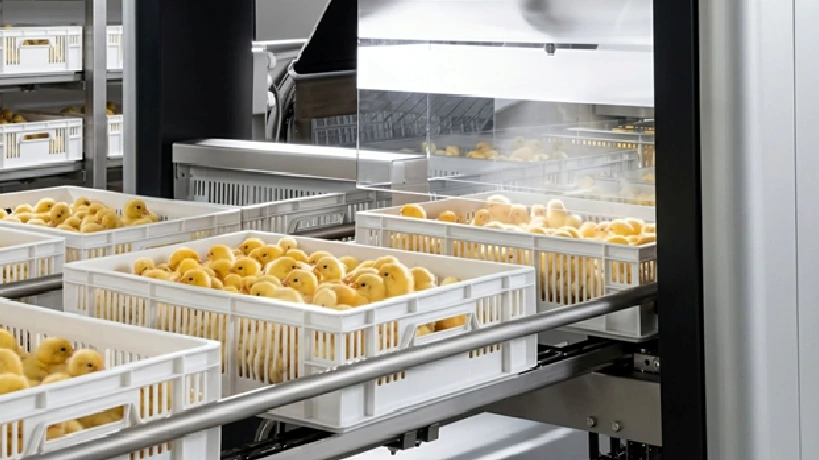
In the poultry industry, the hatchery is the birthplace of success. Achieving high hatchability and producing robust day-old chicks requires more than just high-tech machines; it demands a deep commitment to precision and biological excellence. Every decision made within the hatchery walls has a direct ripple effect on the performance and profitability of the future farm.
The Biological Blueprint: Setting the Stage
Success starts with the quality of the egg. Eggs arriving from the breeder farm must be handled with extreme care to maintain embryo viability.
- Selection and Sanitization: Only clean, structurally sound eggs are chosen. Gentle sanitization is crucial to eliminate surface pathogens without damaging the egg’s natural protective cuticle.
- Storage and Pre-warming: Eggs are stored at specific temperatures (16 °C to 18 °C) to pause development. Gradually pre-warming them before they enter the incubator prevents thermal shock and condensation, which can lead to bacterial ingress.
The Four Pillars of Incubation
A modern hatchery mimics the natural environment provided by a hen, but at a massive scale. To achieve the perfect hatch, four variables must be meticulously balanced:
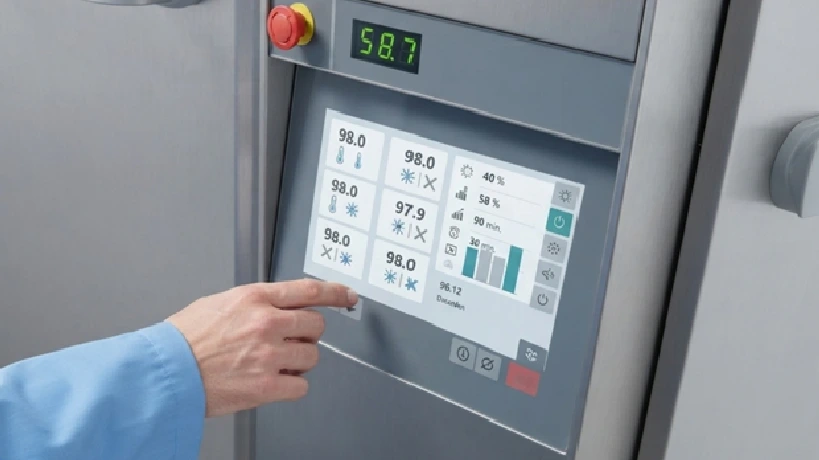
- Temperature: The most critical factor. Even a 0.5 °C deviation can lead to developmental issues, poor navel closure, or late-stage embryo mortality.
- Humidity: Correct moisture loss (typically 11-13%) ensures the air cell is large enough for the chick to breathe before pipping.
- Turning: Rotating eggs 90 degrees every hour prevents the embryo from sticking to the shell membrane and promotes healthy vascular development.
- Ventilation and CO2: Proper air exchange supplies oxygen and removes metabolic heat as the embryo grows, ensuring the environment remains fresh and conducive to life.
Beyond the Hatch: The First Hours of Life
The journey doesn’t end when the chick breaks through the shell. The immediate post-hatch environment is vital for long-term health.
- Processing and Vaccination: Modern hatcheries use automated systems to sort and vaccinate chicks, providing an early immune boost against common industry challenges.
- Stress-Free Transport: Maintaining the “Comfort Zone” during holding and transport ensures that chicks arrive at the farm alert, hydrated, and ready to grow.