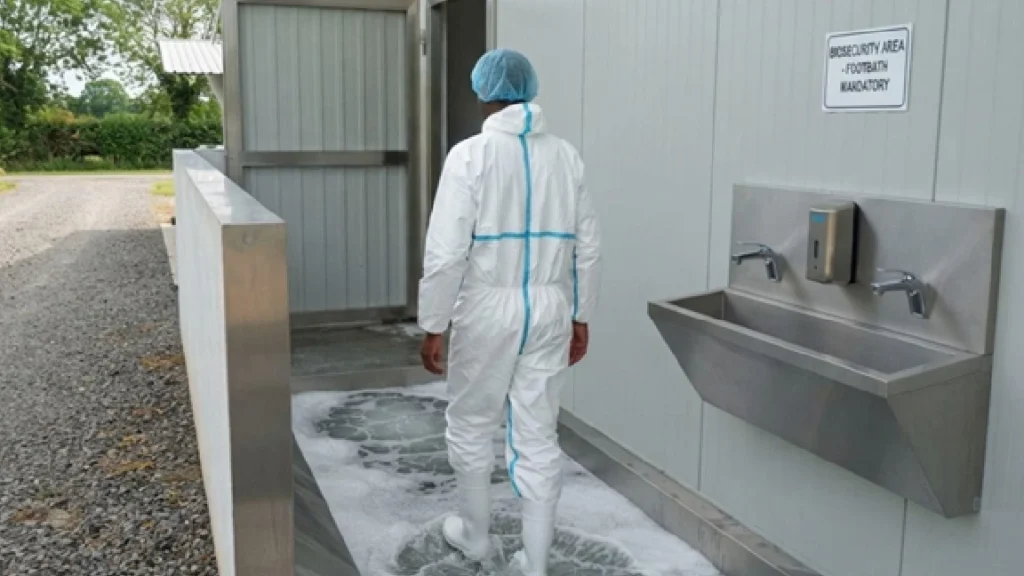
Introduction: Why Bio-Security is Your Farm’s Silent Guardian
In the global poultry industry, the difference between a profitable cycle and a total loss often comes down to one thing: Bio-security. Whether you are managing a fast-growing Broiler flock or a high-value Breeder operation, your birds are constantly under threat from invisible enemies—viruses, bacteria, and fungi.
Bio-security is not just a set of rules; it is a holistic management mindset. It is the practice of excluding disease-causing agents from your farm and preventing their spread within the premises. In this comprehensive guide, we will explore the professional protocols required to build an unbreakable shield around your poultry investment.
1. The Three Pillars of Bio-Security
To implement an effective program, we must look at Bio-security through three lenses:
- Conceptual Bio-security: This involves the physical location of your farm. Ideally, a farm should be isolated from other poultry operations and main roads to reduce windborne disease transmission.
- Structural Bio-security: This refers to the physical barriers, such as perimeter fencing, gated entries, concrete flooring, and dedicated changing rooms for staff.
- Procedural Bio-security: These are the daily routines—the “SOPs” (Standard Operating Procedures)—that your team follows, such as footbaths, vehicle disinfection, and cleaning protocols.
1. The Three Pillars of Bio-Security
To implement an effective program, we must look at Bio-security through three lenses:
- Conceptual Bio-security: This involves the physical location of your farm. Ideally, a farm should be isolated from other poultry operations and main roads to reduce windborne disease transmission.
- Structural Bio-security: This refers to the physical barriers, such as perimeter fencing, gated entries, concrete flooring, and dedicated changing rooms for staff.
- Procedural Bio-security: These are the daily routines—the “SOPs” (Standard Operating Procedures)—that your team follows, such as footbaths, vehicle disinfection, and cleaning protocols.
3. Vehicle and Equipment Disinfection
Every vehicle that enters your farm—whether it is a feed truck or a chick delivery van—is a high-risk factor.
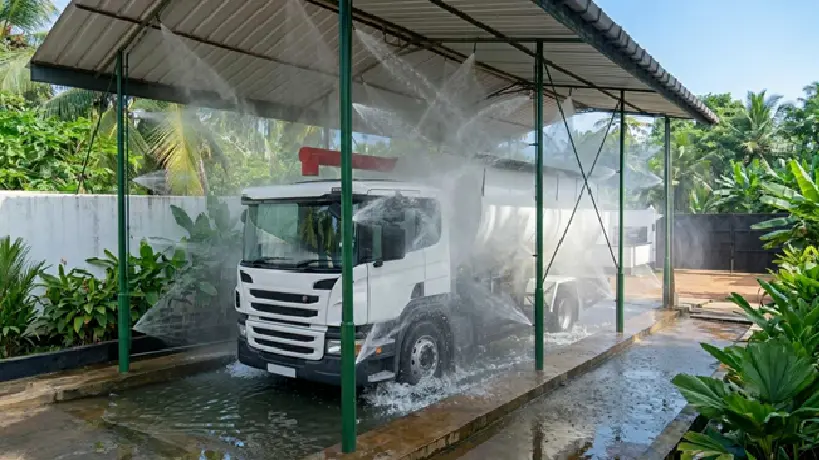
- Tire Dips and Sprays: A well-maintained tire dip at the main gate is essential. However, for maximum safety, high-pressure disinfectant sprays should be used to reach the undercarriage of the vehicle.
- Equipment Sharing: Never share equipment (like scales or crates) with other farms. If equipment must be moved between houses, it must be thoroughly cleaned and disinfected using professional-grade chemicals.
4. Water and Feed: The Internal Bio-Security
Pathogens don’t just walk through the door; they can be swallowed.
- Water Sanitation: Biofilm in water lines is a breeding ground for E. coli and Salmonella. Regular flushing of lines and the use of approved water sanitizers (like chlorine dioxide or acidified water) are critical for gut health.
- Rodent and Pest Control: Rats and wild birds are notorious for carrying diseases. Ensure your feed silos are sealed and that the perimeter of your house is clear of tall grass or spilled feed, which attracts pests.
5. Special Considerations: Broilers vs. Breeders
While the basics remain the same, the stakes vary between these two sectors.
- Breeder Farms: Because breeders live longer and are the source of future generations, their bio-security must be “Zero Tolerance.” A single outbreak in a breeder flock can lead to vertical transmission, infecting thousands of day-old chicks.
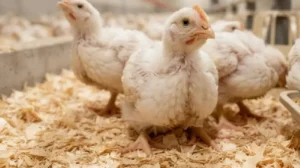
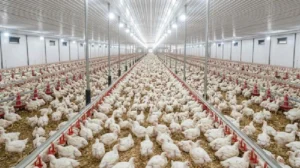
- Broiler Farms: Here, the focus is on “All-in, All-out” management. The period between cycles (the wash-out period) is the most critical time to eliminate any pathogens left behind by the previous flock.
6. The Science of Disinfection: Choosing the Right Chemicals
Not all disinfectants are equal. A professional bio-security plan uses a rotation of chemicals to prevent bacterial resistance.
- Detergents first: You cannot disinfect dirt. Organic matter (manure/dust) must be removed with a high-quality detergent before applying a disinfectant.
- Contact Time: Many farmers make the mistake of washing off the disinfectant too soon. For the chemical to kill viruses, it must remain wet on the surface for the time specified by the manufacturer (usually 10-20 minutes).
7. Monitoring and Auditing
A plan is only as good as its execution.
- Logbooks: Maintain strict records of every person and vehicle entering the farm.
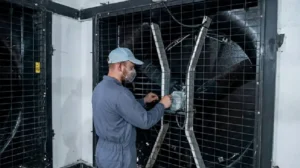
- Swab Testing: Periodically take swabs from floor surfaces, water nipples, and fans to test for bacterial loads. This tells you if your cleaning team is doing a good job.
Conclusion: Bio-Security as a Profit Center
Many farmers view bio-security as an added cost. However, high-performing farms view it as an insurance policy. By spending a few cents more on quality disinfectants and strict protocols, you save thousands of dollars in medication costs, lower mortality rates, and superior FCR.
In the modern era of poultry farming, you are not just a farmer; you are a bio-security manager. Protect your flock, protect your future.