
The global poultry industry is undergoing a historic transformation. Driven by consumer demand for cleaner food and stringent government regulations—especially across Europe and North America—the shift toward Antibiotic-Free (ABF) production is no longer a choice; it is a necessity. However, removing antibiotics from the production cycle is not as simple as stopping a treatment. It requires a holistic rethink of farm management, biosecurity, and nutrition.
1. Why the Shift to ABF is Essential in 2026
Antibiotic resistance is a growing global health concern. Consumers are now more informed than ever, seeking transparency in how their food is raised. For a poultry professional, transitioning to an ABF system means accessing premium markets where products fetch a higher price. But the real challenge lies in maintaining bird performance and low mortality rates without the “safety net” of traditional antibiotics.
2. Strengthening the First Line of Defense: Gut Health
In an ABF system, the gut is the engine of productivity. When antibiotics are removed, the intestinal microbiome becomes vulnerable to pathogenic bacteria like Clostridium perfringens.
- The Power of Probiotics: Introducing beneficial bacteria early in the chick’s life—ideally at the hatchery stage—helps colonize the gut and “crowd out” harmful pathogens.
- Prebiotics and Symbiotic: These non-digestible food ingredients act as fuel for beneficial bacteria, ensuring a stable and resilient digestive environment.
- Organic Acids: Adding organic acids to feed or water lowers the pH level in the digestive tract, creating a hostile environment for harmful bacteria while improving protein digestion.
3. Phytogenic: Nature’s Growth Promoters
One of the most exciting developments in ABF production is the use of Phytogenic (plant-derived compounds). Essential oils from oregano, thyme, and cinnamon have proven antimicrobial and anti-inflammatory properties.
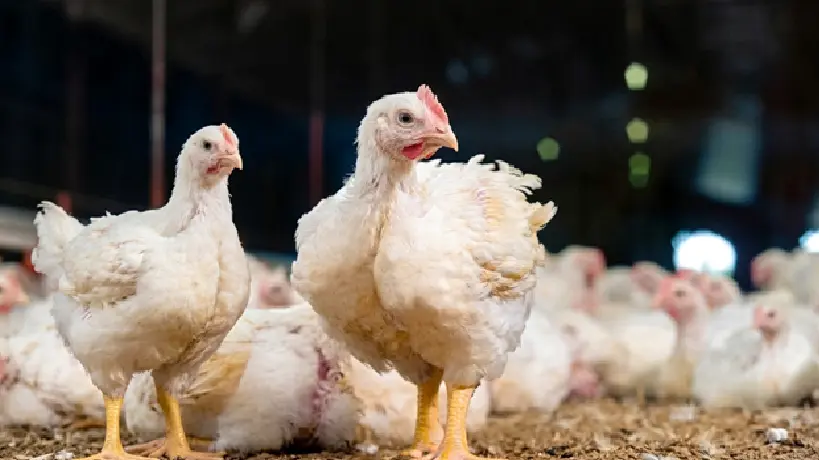
- Improved FCR: By reducing gut inflammation, phytogenic allow the bird to divert more energy toward growth rather than fighting low-level infections, leading to a superior Feed Conversion Ratio (FCR).
- Enhanced Palatability: Many plant-based additives improve the taste of the feed, encouraging consistent intake even during stressful periods.
4. Biosecurity: The Foundation of ABF Success
You cannot have a successful ABF program without “Gold Standard” biosecurity. Since you cannot rely on medication to fix an outbreak, you must prevent the pathogen from entering the house.
- Water Quality: Water is often a hidden source of infection. Constant monitoring and sanitization of water lines are critical to preventing biofilm buildup.
- Precision Climate Control: Stress is the enemy of immunity. Automated ventilation systems must maintain optimal air quality to reduce respiratory stress, which otherwise weakens the bird’s natural defenses.
5. Data-Driven Management and Early Intervention
In the ABF world, waiting for clinical signs of disease is too late. Modern farms use real-time data to monitor shifts in water consumption or bird activity.
- Predictive Analytics: Small drops in water intake often precede a disease outbreak by 24–48 hours. By using smart sensors, managers can intervene with natural supplements before the flock’s health declines.
Conclusion
Transitioning to antibiotic-free production is a journey of precision. It moves the focus from “treating disease” to “cultivating health.” By integrating high-quality nutrition, strict biosecurity, and advanced technology, poultry producers can meet consumer expectations while achieving record-breaking performance.