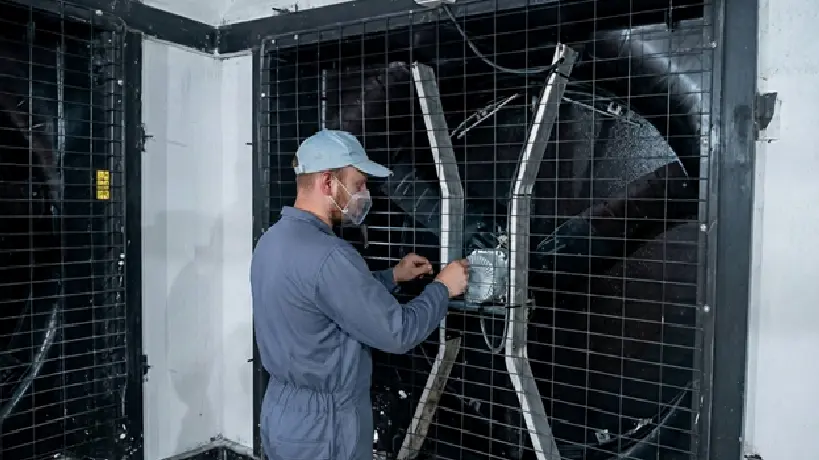
In the high-stakes world of poultry production, the difference between a record-breaking flock and a financial setback often rests on a single mechanical component. Modern poultry houses are complex ecosystems of interconnected technologies. When these systems are ignored, they fail; when they are maintained, they thrive. Strategic preventative maintenance is the unsung hero of farm efficiency, ensuring that every fan, heater, and feeder operates at its peak potential.
1. Ventilation Systems: The Lungs of the House
A ventilation failure in a high-density broiler house can lead to catastrophe within minutes. Maintenance must be proactive, not reactive.
- Fan Belt Tension and Pulley Alignment: Worn or loose belts can reduce fan efficiency by up to 20%. Regular inspection ensures optimal CFM (Cubic Feet per Minute) output.
- Shutter and Blade Cleaning: Dust accumulation on fan blades and shutters increases drag and energy consumption. Periodic cleaning is essential to maintain the designed airflow patterns.
- Static Pressure Sensors: These sensors are the “brain” of the ventilation system. Calibrating them ensures that air inlets open and close precisely, maintaining the correct air velocity.
2. Cooling Systems: Mastering the Summer Heat
As we have seen in recent industry highlights, the correct orientation and maintenance of cool cell pads are vital for summer performance.
- Pad Orientation and Cleaning: Ensuring the 45° /15° angles are correctly aligned allows for maximum evaporation. Using approved cleaners prevents mineral scale build-up which can choke airflow.
- Water Level Management: Maintaining the water level exactly one inch below the pad height prevents premature sagging and rot, significantly extending the life of the cooling media.
- Filter Maintenance: Clean water filters prevent clogged nozzles and uneven wetting, ensuring the entire pad surface contributes to the cooling effect.
3. Feeding and Watering Infrastructure
Consistency is key to achieving a low Feed Conversion Ratio (FCR).
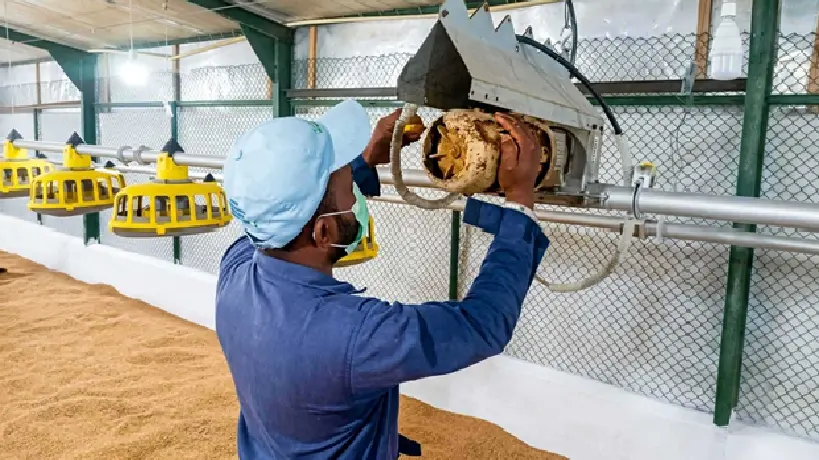
- Auger and Motor Inspections: Checking for wear in the feed delivery tubes prevents sudden breakdowns during peak feeding times.
- Water Line Flushing: Biofilms can develop inside nipple drinkers, harboring pathogens and restricting water flow. High-pressure flushing between flocks is a mandatory bio-security step.
- Winch and Cable Safety: Regularly greasing winches and inspecting cables ensures that feeding and drinking lines can be adjusted easily as birds grow, preventing spinal issues and ensuring easy access.
4. Backup Power: The Ultimate Safety Net
A farm is only as reliable as its backup generator.
- Load Testing: Monthly tests under full load are necessary to ensure the generator can handle the house’s total power demand during a blackout.
- Fuel and Battery Health: Stale fuel and dead batteries are common causes of generator failure. A strict logging system for battery replacement and fuel stabilization is essential.