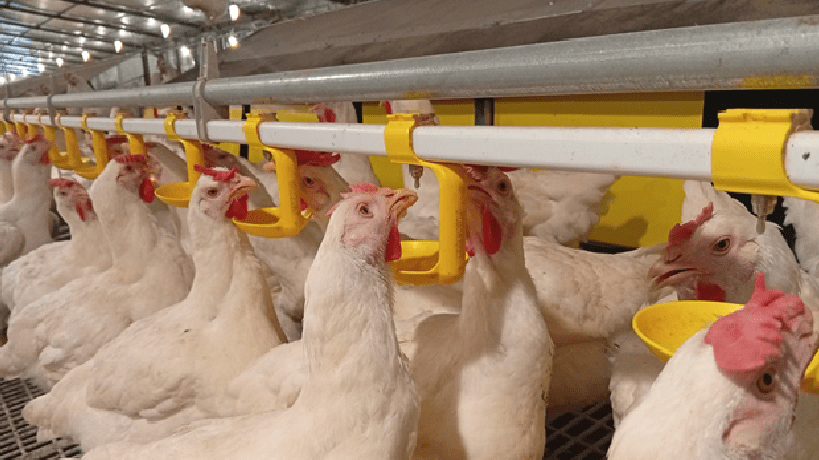
Introduction: The Forgotten Nutrient
In poultry nutrition, we often spend thousands of dollars perfecting the feed formula, but we frequently overlook the most consumed nutrient: Water. A broiler chicken drinks nearly twice as much water as it eats. If that water is contaminated or chemically unbalanced, your FCR (Feed Conversion Ratio) will suffer, no matter how good your feed is. For Breeders, water quality is even more critical, as it directly impacts egg shell quality and chick viability.
To reach professional standards, we must look beyond just “clear water” and focus on chemical and bacterial purity using international-grade protocols.
1. The Power of pH: Why Acidity Matters
The pH level of your water significantly affects the bird’s gut health and its ability to digest protein.
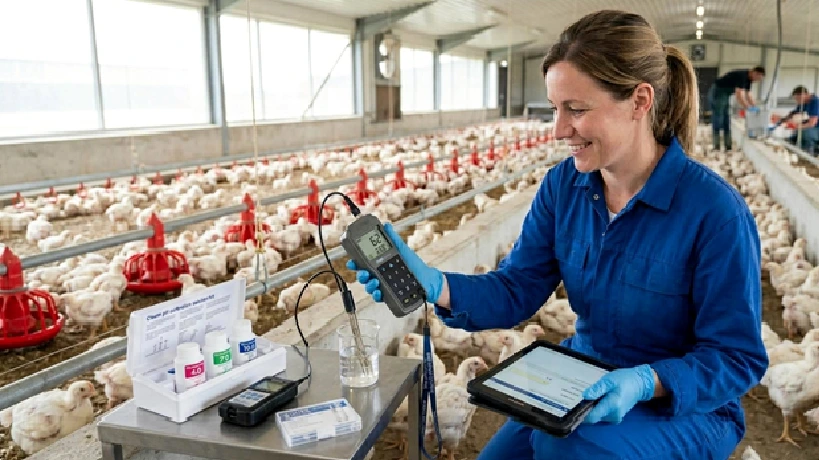
- The Ideal Range: Poultry water should ideally have a pH between 5.5 and 6.5.
- Why Acidic is better: Slightly acidic water helps in breaking down feed and acts as a natural barrier against harmful bacteria like Salmonella and E. coli in the crop.
- The Risk of High pH: If your water is too alkaline (pH above 7), it can interfere with the effectiveness of chlorine and other sanitizers, making your bio-security efforts useless.
2. Managing the Biofilm: The Invisible Threat
Have you ever felt a “slimy” layer inside your water pipes? That is Biofilm.
- The Hazard: Biofilm is a city of bacteria protected by a sugary coating. It shields pathogens from disinfectants and can cause chronic respiratory and gut issues in your flock.
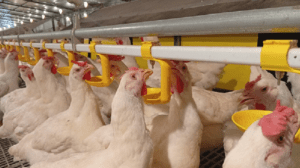
- Professional Solution: Using high-pressure “flushing” systems—similar to those found in top-tier European poultry houses—is essential. Lines should be flushed between every flock and treated with professional-grade hydrogen peroxide or chlorine dioxide to dissolve the biofilm.
3. Mineral Balance and Hardness
Hard water isn’t just bad for the birds; it’s bad for your equipment.
- Chlorine vs. Pathogens: Chlorine works best when the water is already clean and the pH is low.
- Advanced Alternatives: Modern farms are shifting towards Acidified Chlorine or Hydrogen Peroxide-based sanitizers. These are more stable, work across a wider pH range, and are much more effective at keeping the water lines sterile from the tank to the very last nipple.
4. Sanitization: Moving Beyond Simple Chlorine
While chlorine is common, it isn’t always the most effective.
- Chlorine vs. Pathogens: Chlorine works best when the water is already clean and the pH is low.
- Advanced Alternatives: Modern farms are shifting towards Acidified Chlorine or Hydrogen Peroxide-based sanitizers. These are more stable, work across a wider pH range, and are much more effective at keeping the water lines sterile from the tank to the very last nipple.
5. Temperature: Keeping it Cool
Birds will not drink warm water. During hot afternoons, the water inside the pipes can heat up significantly.
- The Result: If water temperature rises above 27°C (80°F), birds reduce their intake, leading to a direct drop in growth rate.
- The Fix: Ensure your main water tanks are insulated or painted white, and use a regular flushing routine during peak heat hours to bring in fresh, cool water from the source.
Conclusion: Pure Water, Pure Profit
Investing in water quality is one of the highest-return investments you can make on a poultry farm. By treating water as a critical input rather than a free resource, you ensure that you’re Broilers and Breeders have the best possible chance to thrive. Remember, a healthy gut starts with a clean sip of water.