Successful poultry farming begins long before the first egg is laid or the first broiler reaches market weight. The first 48 hours of a chick’s life are the most critical, acting as a foundation for their entire growth cycle. In this comprehensive guide, we explore the essential management practices that ensure your flock starts strong, healthy, and uniform.
1. Pre-Placement Preparation: The Foundation of Success
Before the chicks arrive, the environment must be sterile and optimized.
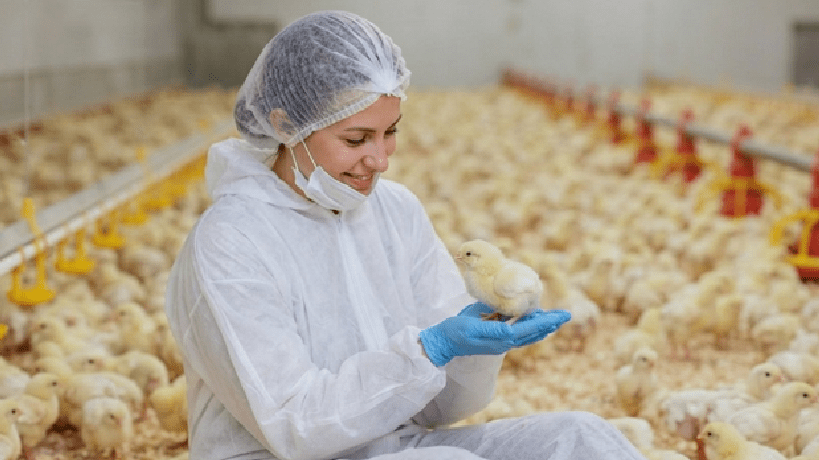
- Bio-security First: Cleaning and disinfecting the house is non-negotiable to prevent early-age infections.
- Pre-Heating: The house should be pre-heated 24-48 hours before arrival to ensure the litter temperature is warm enough (ideally 32°C – 35°C).
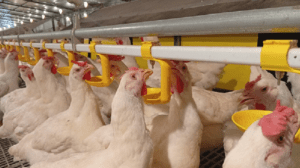
- Equipment Check: Ensure all automated feeders and drinkers are functioning perfectly to provide immediate access to nutrients.
2. Temperature and Ventilation: Creating the Ideal Micro-Climate
Chicks cannot regulate their body temperature for the first few days, making artificial climate control vital.
- Direct-Drive Efficiency: Modern ventilation systems use high-efficiency fans to provide fresh air without causing drafts that could chill the chicks.
- Behavior Monitoring: Observing chick distribution is the best way to judge temperature. If they huddle under the heat source, they are cold; if they move to the walls, they are too hot.
3. Nutrition and Hydration: The Catalyst for Growth
Immediate access to water and feed triggers the development of the digestive and immune systems.
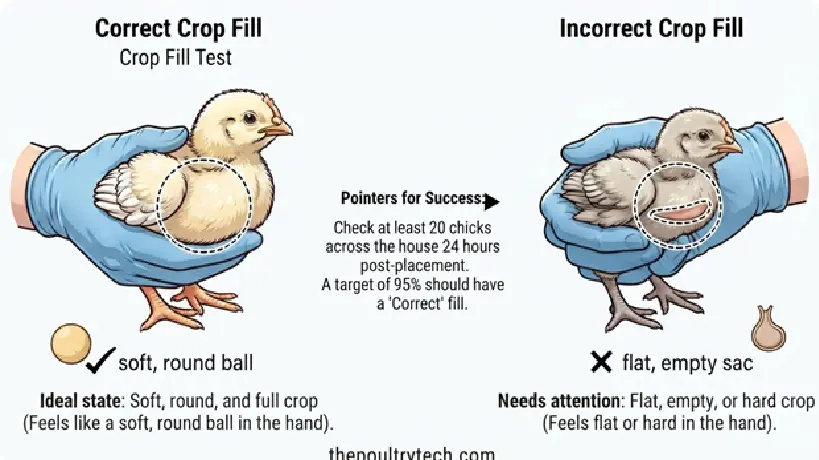
- Crop Fill Test: Check the chicks 24 hours after placement. At least 95% should have a soft, pliable crop, indicating they have found both food and water.
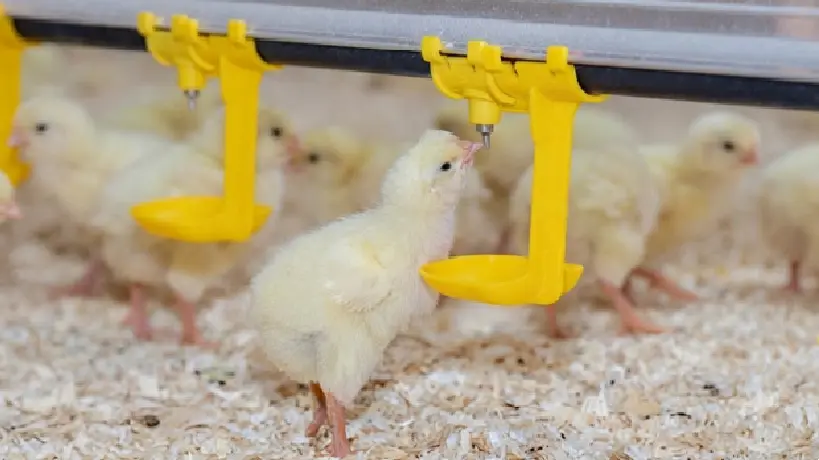
- Water Quality: Clean, cool, and sanitized water is essential. Automated nipple drinkers should be adjusted to the chicks’ eye level for easy access.
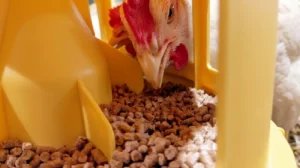
- Nutrient Density: High-quality starter feed, rich in essential amino acids, supports rapid early-stage development.
4. Encouraging Natural Behavior and Uniformity
Uniformity in a flock leads to better management and higher profits.
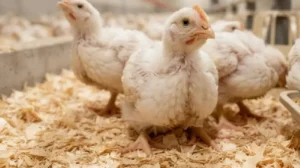
- Space Management: Providing enough floor space and easy access to feeding systems prevents competition and ensures even growth.
- Light Intensity: High light intensity for the first 24 hours encourages chicks to explore their environment and find resources quickly.
5. Maintenance and Long-term Monitoring
Sustainability in poultry farming relies on well-maintained infrastructure.
- System Inspections: Regular checks on motor shafts, fan blades, and sensor accuracy prevent unexpected climate failures.
- Data Integration: Using modern farm intelligence units allows managers to monitor humidity and temperature in real-time, making instant adjustments for bird comfort.
Conclusion
Investing time and precision into the brooding phase pays dividends in the form of lower mortality and higher feed conversion ratios (FCR). By mastering these fundamentals, you set the stage for a profitable and high-performing poultry operation.